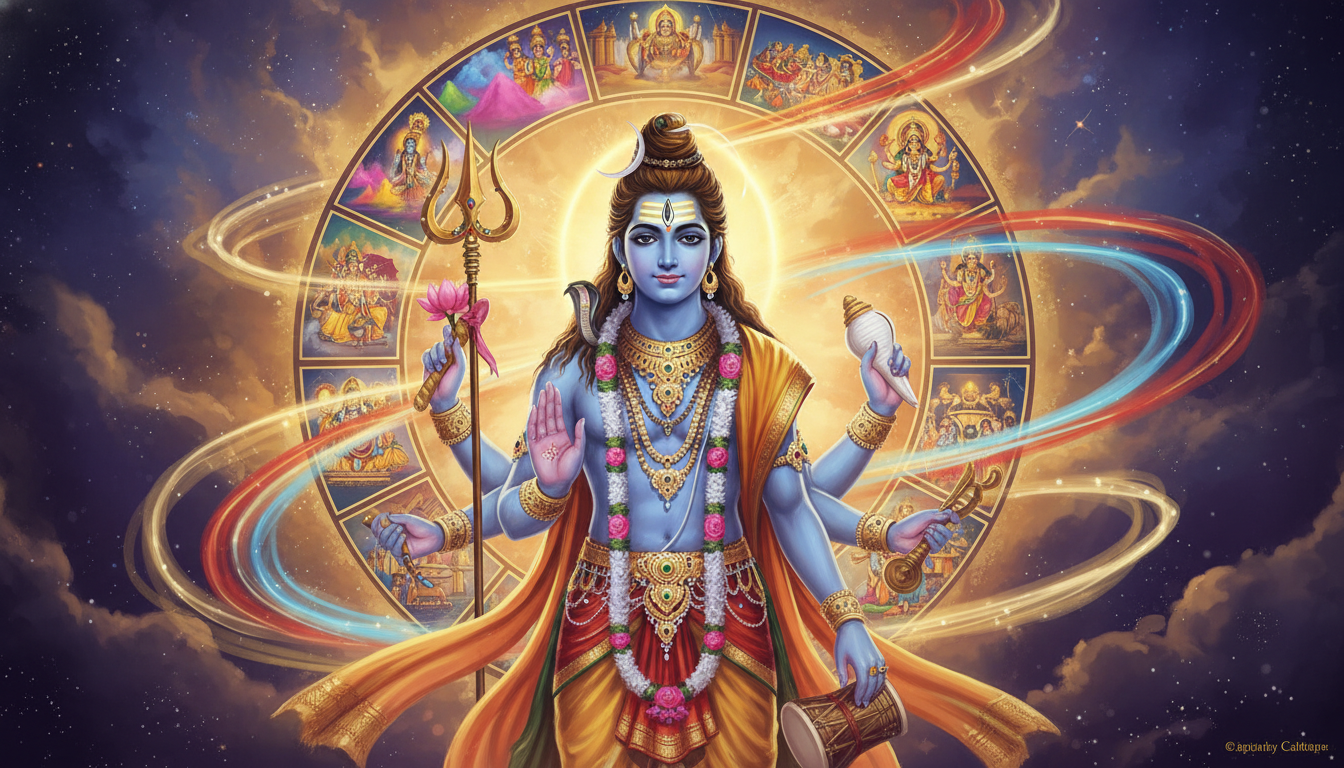
Magha Purnima 2026: The Divine Culmination of Austerity and the Celestial Gateway to Moksha
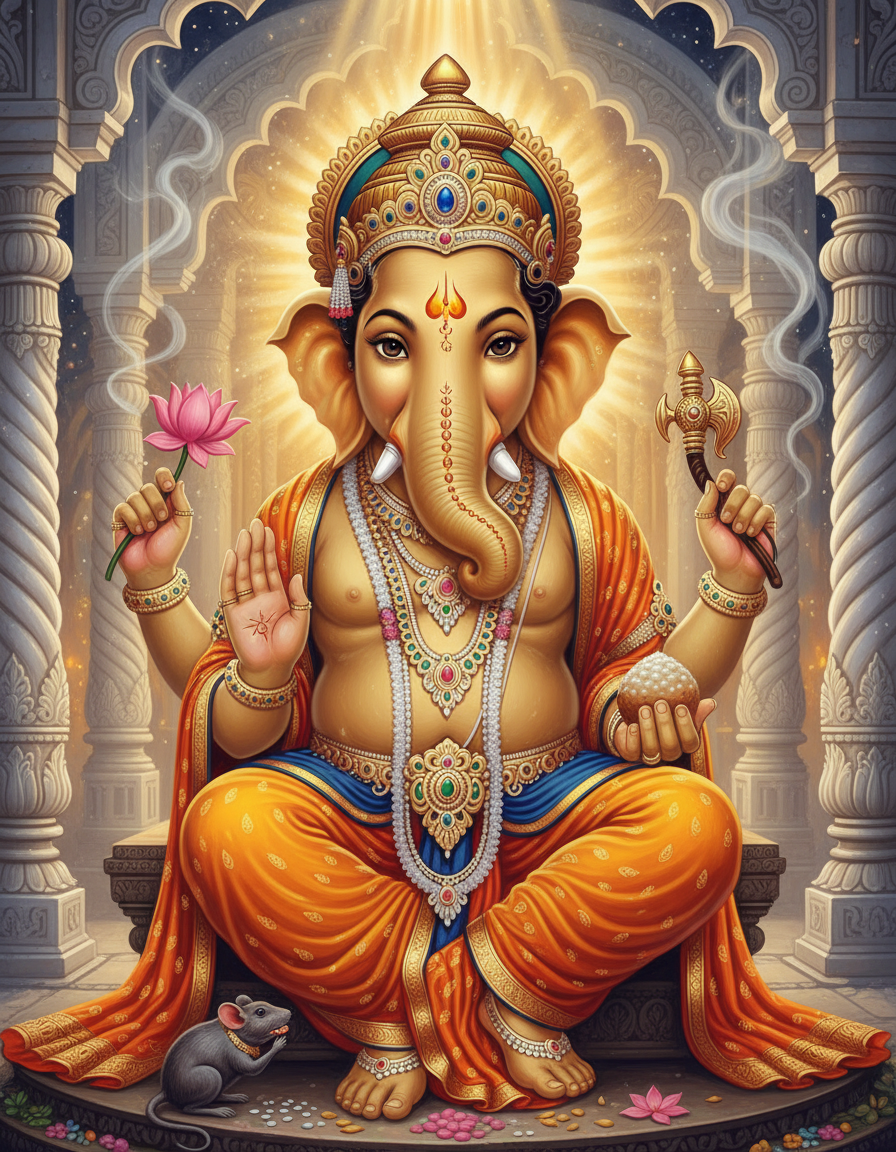
As the sun sets on January 31, 2026, the spiritual vibration across the Indian subcontinent intensifies, signaling the arrival of one of the most potent astrological and spiritual events in the Sanatana Dharma calendar: Magha Purnima. Falling tomorrow, February 1st, this full moon marks the glorious conclusion of the sacred Magha month and the final major bathing date of the annual Magh Mela at Prayagraj.
In the vast ocean of Vedic wisdom, the month of Magha is not merely a division of time; it is a spiritual season designated for the purification of the soul (*Atma Shuddhi*) and the burning of past karmas through austerity (*Tapas*). While the chilling winter winds sweep across the northern plains, millions of devotees, sages, and *Kalpawasis* have spent the last month living on the banks of the Ganga, Yamuna, and the invisible Saraswati, engaging in rigorous penance. Magha Purnima is the crescendo of this divine symphony.
For the modern seeker, understanding the depth of this festival requires traversing beyond mere ritualism into the heart of Puranic history and Vedic philosophy. As we stand on the threshold of this auspicious day, let us explore the scriptural significance, the celestial alignment, and the path to liberation that opens during the Magha Purnima Snan.
The Vedic Significance of the Magha Month
The sanctity of the Magha month is established in the earliest layers of Hindu scripture. The Rigveda emphasizes the purifying nature of water, but it is the Padma Purana and the Mahabharata that specifically elevate the month of Magha to a status supreme among months for spiritual cleansing.
The foundational belief is that during the month of Magha, the Sun (*Surya*) enters the sign of Capricorn (*Makara Rashi*). This solar transition marks the dawn of the gods (*Uttarayana*). However, the specific alignment of the Full Moon (*Purnima*) with the Magha Nakshatra (ruled by the Pitrs or ancestors) creates a unique cosmic channel. It is believed that the waters of the holy rivers undergo a metaphysical transformation during this time.
The Padma Purana (Uttara Khanda) states:
**माघे निमग्नाः सलिले सुशीते विमुक्तपापास्त्रिदिवं प्रयान्ति ।**
**प्रीयेत दामोदर एतदस्मात् प्रयच्छत्येव विपुलं च भोगम् ॥**
*Māghe nimagnāḥ salile suśīte vimuktapāpāstridivaṃ prayānti |*
*Prīyeta Dāmodara etadasmāt prayacchatyeva vipulaṃ ca bhogam ||*
Translation: "Those who bathe in the cold waters during the month of Magha are freed from sins and attain the celestial abodes. Lord Damodara (Vishnu) is pleased by this act and bestows abundant abundance and enjoyment."
This scriptural injunction suggests that the act of bathing before sunrise (*Brahma Muhurta*) in Magha is not merely physical hygiene but a spiritual technology designed to align the human energy system with the divine currents of the universe.
The Legend of the Amrita and the Triveni Sangam
Why is the confluence at Prayagraj considered the epicenter of this energy? The answer lies in the Samudra Manthan (Churning of the Ocean). It is said that when the pot of Nectar (*Amrita*) emerged, drops of it fell at four places on Earth—Prayagraj being one of them.
However, the specific significance of Magha Purnima is tied to the concept of Kalpawas. According to the Puranas, Lord Brahma, the Creator, performed the primal sacrifice (*Yajna*) at Prayagraj (hence the name *Prayaga*—Pra + Yaga, the place of the first sacrifice) during the month of Magha to initiate the cycle of creation.
On Magha Purnima, it is believed that all the 330 million deities (*Devatas*), along with the Gandharvas and Kinnaras, descend to the Triveni Sangam in their subtle forms to bathe. Therefore, a dip in the Ganges on this specific day is equivalent to performing thousands of Ashwamedha Yajnas. The water on this day is said to possess the potency of the Amrita, capable of curing physical ailments and, more importantly, dissolving the *Sanchita Karma* (accumulated karma) of the soul.
The Visit of Vishwamitra
Another legend from the Ramayana era recounts that Sage Vishwamitra, during the Magha month, regained his lost spiritual merit through the power of the holy dip at the Sangam. This underscores the regenerative power of the festival—no matter how much spiritual ground one has lost, Magha Purnima offers a chance for redemption and renewal.
The Spiritual Science of Kalpawas: The Ultimate Reset
As we observe Magha Purnima on February 1, 2026, we witness the conclusion of the Kalpawas. This is perhaps the most rigorous spiritual discipline for laypeople in Hinduism. A *Kalpawasi* vows to live by the banks of the Ganga for the entire month of Magha.
The rules of Kalpawas are scientifically designed to reset the human biological and psychological clock:
1. Sattvic Diet: Eating only once a day, consuming food without spices, oil, or salt, or subsisting only on fruits and milk.
2. Earth Connection: Sleeping on the ground (sand) connects the body's magnetic field with the earth, grounding excess electrical charge in the nervous system.
3. Trikal Snan: Bathing three times a day ensures the body remains in a state of high alertness and purity.
4. Satsang: Constant listening to scriptural discourses.
Magha Purnima is the graduation day for these spiritual aspirants. The merit attained by a Kalpawasi is described in the Matsya Purana:
**प्रयागे माघमासे तु त्र्यहं स्नानस्य यत्फलम् ।**
**नाश्वमेधसहस्रेण तत्फलं लभते भुवि ॥**
*Prayāge māghamāse tu tryahaṃ snānasya yatphalam |*
*Nāśvamedhasahasreṇa tatphalaṃ labhate bhuvi ||*
Translation: "The merit obtained by bathing for just three days in Prayagraj during Magha cannot be attained even by a thousand Ashwamedha sacrifices."
Connection to Ancestral Liberation (Pitru Tarpan)
Magha Purnima is intimately connected to the ancestors. The moon governs the mind and the *Pitru Loka* (realm of ancestors). As the moon reaches its fullest brilliance in the Magha Nakshatra, the channel between the Earth and the Pitru Loka opens.
Performing *Tarpan* (offering of water and sesame seeds) on this day satisfies the ancestors for an entire year. It is said that the spirits of the ancestors hover near the riverbanks on this day, waiting for the offering of water from their descendants. If one suffers from *Pitru Dosh* (ancestral affliction) in their horoscope, Magha Purnima is the most effective day to perform remedial rituals.
Rituals for the Modern Devotee: Celebrating at Home
While millions will be at the Triveni Sangam or Haridwar, not everyone can physically travel. However, the Agni Purana assures us that on Magha Purnima, all water becomes "Ganga" if invoked with devotion. Here is how you can observe this auspicious day on Sunday, February 1, 2026:
1. The Ganga Avahan (Invoking the Sacred Waters)
Wake up during Brahma Muhurta (approx. 4:30 AM to 5:30 AM). Before bathing, add a few drops of Ganga Jal (if available), raw milk, and black sesame seeds (*Til*) to your bathwater. Chant the following invocation to invite the presence of all holy rivers:
**गङ्गे च यमुने चैव गोदावरि सरस्वति ।**
**नर्मदे सिन्धु कावेरि जलेऽस्मिन् सन्निधिं कुरु ॥**
*Gange cha Yamune chaiva Godāvari Sarasvati |*
*Narmade Sindhu Kāveri jale'smin sannidhiṃ kuru ||*
2. Surya Arghya (Offering to the Sun)
Since the Magha month is dedicated to the Sun God, offering *Arghya* is crucial. Use a copper vessel, add water, kumkum, red flowers, and jaggery. Face the rising sun and pour the water slowly while chanting the *Gayatri Mantra* or *Om Suryaya Namaha*.
3. Satyanarayan Puja
Purnima is the day of Lord Vishnu. Performing or listening to the Sri Satyanarayan Katha on this day brings immense prosperity and domestic harmony. Offering *Kalash* (pot) filled with water and mango leaves, topped with a coconut, symbolizes the universe's abundance.
4. Deep Daan (Offering of Lamps)
At dusk, light a lamp made of flour (*Atta Deepak*) or clay with sesame oil. Float it in a nearby river or water body, or simply light it at your home altar. This *Deep Daan* is believed to illuminate the path of the ancestors and dispel the darkness of ignorance in one's own life.
5. Maha Daan (The Great Charity)
The scriptures emphasize that charity done on Magha Purnima yields inexhaustible merit (*Akshaya Punya*).
Astrological Insights for January 31 - February 1, 2026
From a Jyotish (Astrological) perspective, this Magha Purnima is significant.
For spiritual practitioners, this is the best time for meditation. The gravitational pull of the full moon on the body's fluids (which are 70% water) can be utilized to raise the *Kundalini Shakti* upward.
Conclusion: The Call of the Eternal
Magha Purnima is not just a date on the calendar; it is a reminder of the cyclical nature of time and the eternal nature of the soul. It reminds us that just as the moon waxes and wanes, our lives go through phases of shadow and light. By immersing ourselves in the discipline of Magha—whether through a dip in the Ganges or through the purity of our thoughts at home—we align ourselves with the cosmic rhythm.
As we prepare for this holy day, let us remember the essence of the Bhakti Amrit: that the external bath is but a symbol for the internal cleansing of the heart. May the waters of Magha Purnima wash away the dust of attachment and reveal the shining jewel of the Self within.
Frequently Asked Questions (FAQ)
Q: Can I perform Magha Snan rituals if I am not near a holy river?
A: Yes. The scriptures state that invoking the holy rivers into your bathing water with pure intent (*Sankalpa*) transforms ordinary water into Tirth. Adding sesame seeds (*Til*) and Ganga Jal to your bucket enhances the spiritual potency.
Q: What is the significance of Sesame seeds (Til) on Magha Purnima?
A: Sesame seeds are believed to have originated from the sweat of Lord Vishnu. They possess the power to absorb negative energy and protect against spiritual impurities. Using them in bathing, eating, and charity on this day pleases both the Devas and the Pitrs (ancestors).
Q: Is fasting mandatory on Magha Purnima?
A: While not mandatory for everyone, fasting (*Upavas*) is highly recommended. It helps detoxify the body and keeps the mind alert for meditation. Devotees usually observe a partial fast, consuming only fruits and milk, or a full fast until the evening Puja.
Q: How does Magha Purnima relate to Buddhism?
A: This day is also revered by Buddhists. It is believed that on this day, Gautama Buddha announced his impending death (*Parinirvana*) to his disciples. It is a day of deep reflection on impermanence for Buddhist practitioners.
Q: What is the specific mantra for Magha Purnima Snan?
A: You may chant the following mantra while bathing:
*Om Savitre Prasavitre Cha Param Dhamne Namo Namah |*
*Tvattejasa Paribhrashtam Papam Yatu Sahasradha ||*
(Salutations to the Sun God, the Creator. May my sins be destroyed a thousandfold by your radiance.)
Experience the Divine Nectar
Join our spiritual journey on YouTube. Daily Vedic insights, sacred Mantras, and profound scriptural commentary from the Vedas and Puranas.
SUBSCRIBE ON YOUTUBEShared with devotion via Bhakti Amrit Sanatan Divine Editor
शान्ति: शान्ति: शान्ति: