Jaya Ekadashi 2026: The Divine Fast for Absolute Liberation from Karmic Bonds

The wheel of time, the eternal *Kaal Chakra*, has brought us to the sacred month of Magha, a period revered in the Vedic tradition for austerity, charity, and spiritual renewal. As we stand on the precipice of Friday, January 30, 2026, the cosmos aligns to offer humanity one of the most potent opportunities for redemption: Jaya Ekadashi.
In the vast ocean of Sanatan Dharma, the Ekadashi tithi (the 11th day of the lunar cycle) is described as the king of all vows (*Vrataraj*). However, Jaya Ekadashi, falling during the waxing phase (Shukla Paksha) of the meritorious Magha month, holds a unique and formidable position. It is not merely a day of fasting; it is a spiritual mechanism designed to shatter the chains of our past misdeeds, specifically those that bind the soul to low-vibrational existences.
The scriptures proclaim that the sanctity of the Magha month is such that contact with the holy waters of the Ganga, Yamuna, or Godavari purifies the physical body, but the observance of Jaya Ekadashi purifies the subtle body (*Sukshma Sharira*). As we approach this auspicious date, let us delve deep into the scriptural authority, the Puranic legends, and the precise Vedic methodologies to observe this fast, ensuring victory (*Jaya*) over the senses and the liberation of the self.
The Vedic Significance of Ekadashi and the Magha Month
To understand Jaya Ekadashi, one must first comprehend the metaphysical weight of the Magha month. In the *Padma Purana*, it is stated that Lord Vishnu is as pleased by acts of charity and fasting in Magha as He is by the worship offered with thousands of costly flowers.
माघे मासि सिते पक्षे एकादशी जयाऽभिधा ।
पापघ्नी सा सुपुण्या च नराणां मोक्षदायिनी ॥
*Maghe masi site pakshe ekadashi jayabhidha |*
*Papaghni sa supunya cha naranam mokshadayini ||*
Translation: "In the month of Magha, the Ekadashi of the bright fortnight is named Jaya. It destroys all sins, is incredibly meritorious, and grants liberation to mankind."
The Vedic science behind Ekadashi is rooted in the movement of the moon and its influence on the human mind (*Manas*). The moon governs the fluids in the body and the fluctuations of the mind. On the 11th day, the distance between the moon and the earth creates a specific gravitational and magnetic pull that, if utilized through fasting, allows the consciousness to detach from bodily cravings and ascend toward the Divine.
Jaya Ekadashi is specifically extolled for its power to absolve the sin of *Brahma-hatya* (in specific contexts) and, more uniquely, to liberate souls from the *Pisacha Yoni*—a state of ghostly existence characterized by intense suffering, unfulfilled desires, and spectral wandering.
The Legend of Jaya Ekadashi: A Narrative from the Padma Purana
The glories of Jaya Ekadashi are immortalized in the *Padma Purana* through a conversation between Lord Krishna and King Yudhishthira. To illustrate the potency of this vow, Lord Krishna recounts a historical event involving the celestial court of Lord Indra.
The Transgression of Malyavan and Pushpavati
In the celestial gardens of Nandanavana, the Gandharvas (celestial musicians) and Apsaras (celestial dancers) were engaged in serving Lord Indra. Among them were Malyavan, a handsome Gandharva, and Pushpavati, a captivating Apsara. During a performance meant to honor Indra, the two locked eyes and were instantly struck by Cupid’s arrow.
Overcome by lust, their performance faltered. Malyavan sang out of rhythm, and Pushpavati danced out of step. Enraged by this disrespect towards the assembly and the arts, Lord Indra cursed them: *"Since you have succumbed to lust and ignored your divine duty, go forth and suffer as Pisachas (ghouls) in the mortal world!"*
The Suffering and the Unknowable Grace
Instantly, they fell from Swarga to the Himalayas. Their celestial bodies turned grotesque; they became gaunt, terrifying entities suffering from extreme cold, hunger, and thirst, yet unable to find relief or sleep.
Their suffering continued until the arrival of the month of Magha. On the Shukla Paksha Ekadashi (Jaya Ekadashi), distraught and weak, they unknowingly performed a fast. They ate no food, drank no water, and spent the entire day and night shivering under a Peepal tree, regretting their past actions and thinking of the Divine, even if only in misery.
The Redemption
Because they had inadvertently observed the strict fast of Jaya Ekadashi and kept a night vigil (*Jagaran*), the merit of the vow was accrued to their karmic account. The very next morning (Dwadashi), their ghostly forms dissolved. They regained their luminous celestial bodies, adorned with ornaments, and were taken back to Vaikuntha and subsequently Indra's abode.
Lord Indra was astonished to see them restored and asked who had liberated them from his potent curse. Malyavan replied, *"By the grace of Lord Vasudeva and the merit of the Jaya Ekadashi fast, we have been released from the hellish Pisacha existence."*
This legend serves as a powerful metaphor: we are often like Malyavan and Pushpavati, distracted by sensory pleasures and fallen from our spiritual potential. Jaya Ekadashi is the mechanism to regain our original constitutional position.
Spiritual Philosophy: Victory Over the 'Ghost' Within
While the Puranic story speaks of external ghosts, the *Adhyatmic* (spiritual) interpretation is equally profound. In Sanatan Dharma, a 'Pisacha' or ghost represents a state of being where one is driven entirely by *Tamas* (ignorance) and *Rajo Guna* (passion)—insatiable lust, anger, and attachment, without the physical means to satisfy them properly.
When we are enslaved by our senses, we live a "ghostly" life, haunted by past traumas and future anxieties. Jaya Ekadashi grants the devotee "Jaya" or victory over these lower instincts.
As Lord Krishna states in the Bhagavad Gita (2.59):
विषया विनिवर्तन्ते निराहारस्य देहिनः ।
रसवर्जं रसोऽप्यस्य परं दृष्ट्वा निवर्तते ॥
*Vishaya vinivartante niraharasya dehinah |*
*Rasavarjam raso’pyasya param drishtva nivartate ||*
Translation: "The embodied soul may be restricted from sense enjoyment, though the taste for sense objects remains. But, ceasing such engagements by experiencing a higher taste, he is fixed in consciousness."
Jaya Ekadashi provides that "higher taste" (Param Drishtva). By fasting, we starve the senses; by chanting, we feed the soul.
Vidhi: How to Observe Jaya Ekadashi on January 30, 2026
To reap the full benefits of this auspicious day, one must follow the scriptural injunctions with sincerity.
1. The Preparation (Dashami - Jan 29, 2026)
2. The Day of Fasting (Ekadashi - Jan 30, 2026)
* *"O Lord Pundarikaksha, on this day of Jaya Ekadashi, I shall fast to please You and to cleanse my karmic debts. Please grant me the strength to complete this vow."*
* *Nirjala:* No food or water (Highest merit).
* *Sajala:* Water only.
* *Phalahari:* Fruits, milk, and nuts only (Recommended for most).
* STRICT PROHIBITION: Do not consume rice, grains, cereals, or beans on this day.
3. Breaking the Fast (Dwadashi - Jan 31, 2026)
Modern Relevance: Why Observe This in 2026?
In the year 2026, humanity faces unprecedented levels of distraction and mental health challenges. The "ghosts" of today are addiction, depression, and digital dependency.
1. Detoxification: From an unexpected scientific perspective, a bi-monthly fast triggers *autophagy*, a process where the body cleans out damaged cells and regenerates newer, healthier ones.
2. Mental Resilience: The discipline required to abstain from food and water for 24 hours builds a fortress of willpower. If you can control your hunger, you can control your anger and your impulses.
3. Karmic Cleaning: We unknowingly accumulate negative karma through our digital interactions and modern lifestyle. Jaya Ekadashi is a spiritual reset button.
Frequently Asked Questions (FAQ)
Q: Can I observe Jaya Ekadashi if I have unknowingly eaten rice in the morning?
A: If it was done in ignorance, stop immediately. Perform an act of charity, chant the Vishnu Sahasranama, and continue the fast on fruits for the rest of the day. Ask for forgiveness from Lord Vishnu.
Q: Is this fast only for Vaishnavas?
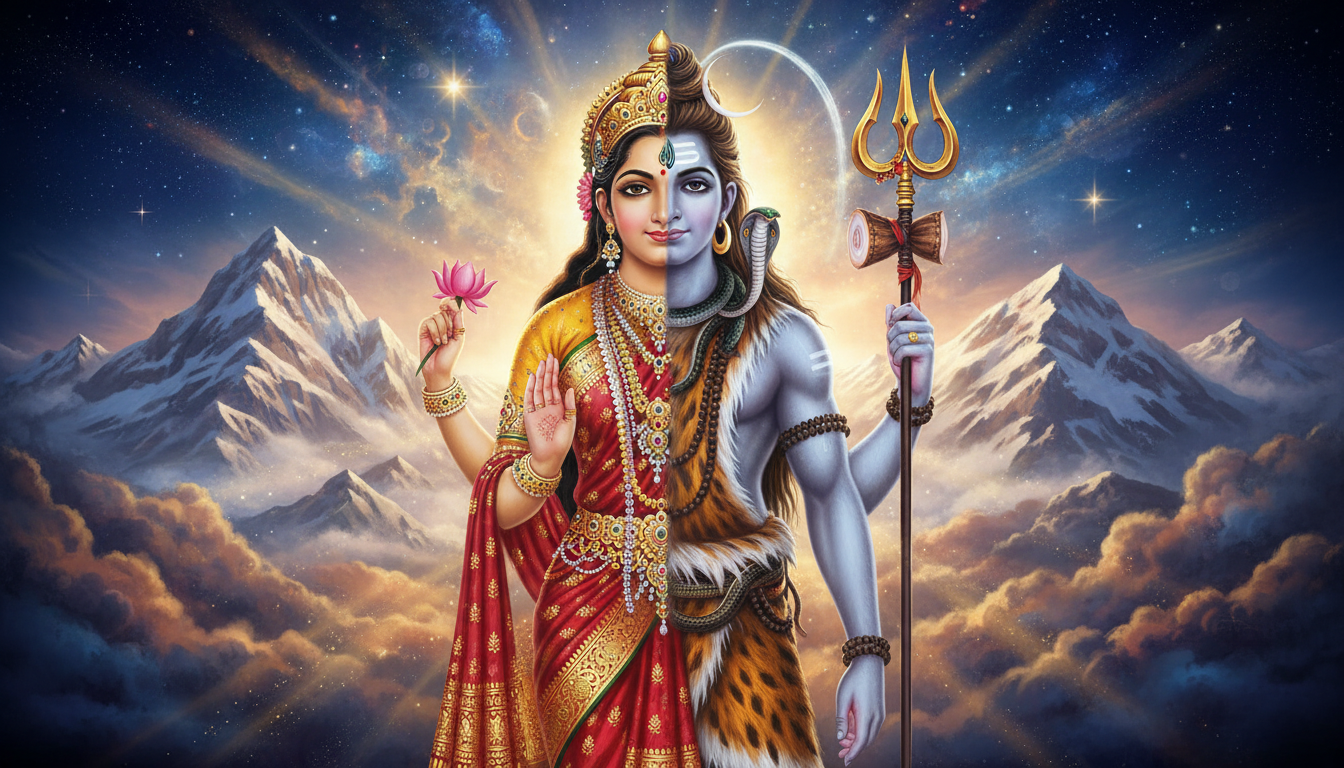
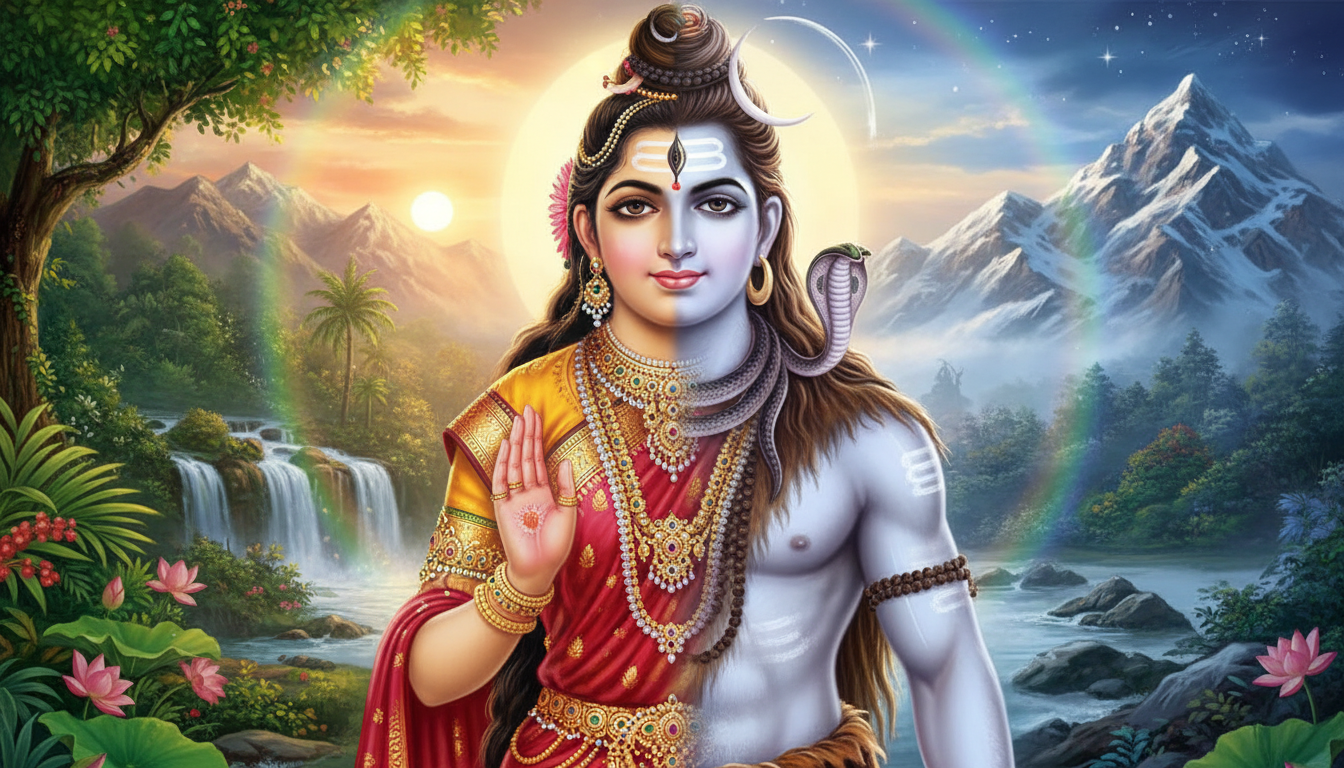
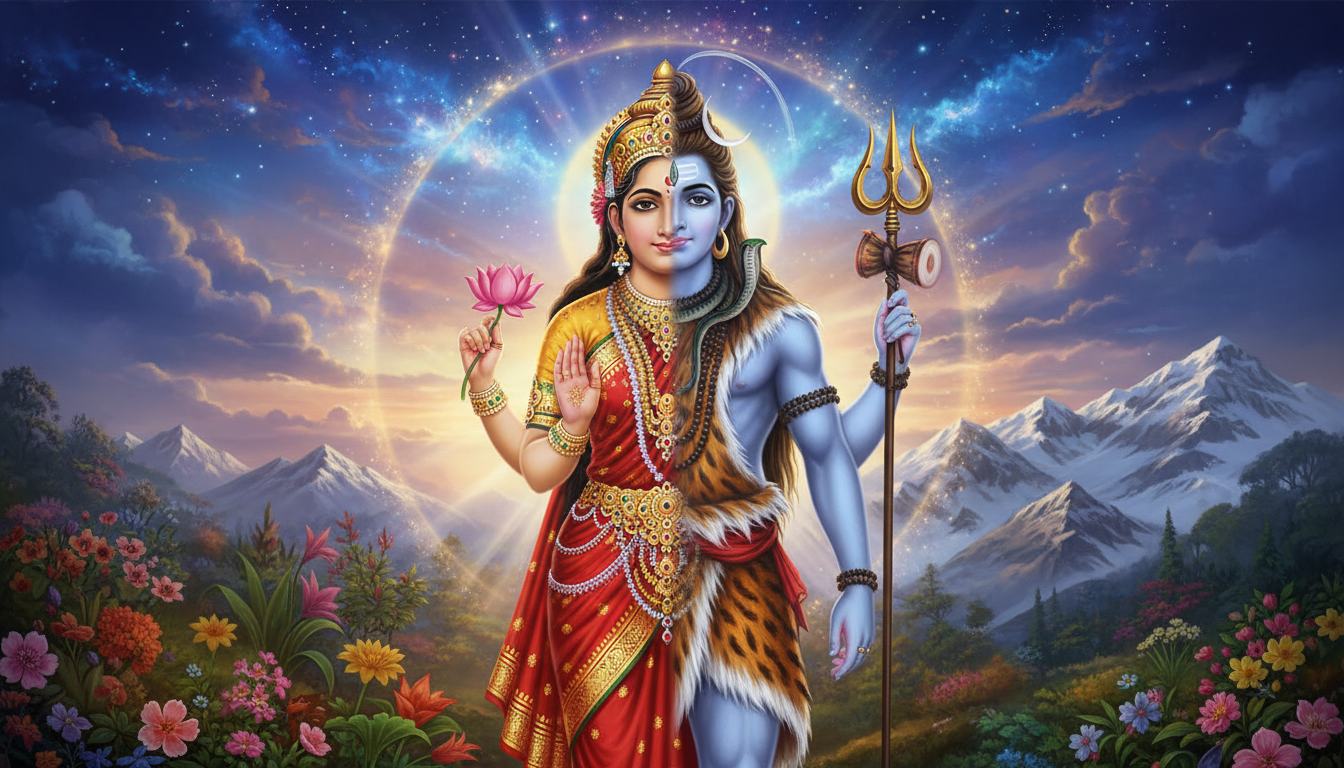
A: No. In Sanatan Dharma, Shiva and Vishnu are viewed as non-different in essence (*Shivasya Hridayam Vishnuh*). Devotees of Lord Shiva also observe Ekadashi to control the senses, which is dear to Mahadeva.
Q: What if I am traveling on January 30, 2026?
A: If strict fasting is impossible due to health or travel, you may consume fruits and milk. The core essence is devotion and avoidance of grains. Do not eat outside food that may contain hidden grains.
Q: Can I perform the Shraddha of ancestors on this day?
A: Ekadashi is a day for the worship of Hari. Shraddha is generally prohibited on Ekadashi. It should be performed on the Dwadashi tithi. However, offering the *merit* of your Ekadashi fast to the ancestors is the greatest Shraddha you can perform, liberating them from lower realms.
Q: Why is rice prohibited?
A: According to religious texts, the *Papa-Purusha* (personification of sin) takes shelter in grains, specifically rice, on Ekadashi days. Eating grains is akin to consuming sin itself on this holy day.
Conclusion
As Friday, January 30, 2026, approaches, we are gifted with a golden key to unlock the chains of our karma. Jaya Ekadashi is not a burden; it is a celebration of the soul's capacity to triumph over matter. Whether you seek liberation for yourself, peace for your ancestors, or simply mental clarity, this fast is the ultimate spiritual tool.
Let the sacred month of Magha purify your intent, and let the Jaya Ekadashi fast purify your existence. May Lord Vishnu, the preserver of the universe, grant you the strength to observe this vow and attain the supreme victory—the victory over the self.
Join our spiritual family for daily Darshan and Vedic wisdom on YouTube. [https://www.youtube.com/@BhaktiAmritSanatan?sub_confirmation=1]
Experience the Divine Nectar
Join our spiritual journey on YouTube. Daily Vedic insights, sacred Mantras, and profound scriptural commentary from the Vedas and Puranas.
SUBSCRIBE ON YOUTUBEShared with devotion via Bhakti Amrit Sanatan Divine Editor
शान्ति: शान्ति: शान्ति: