Festival Significance: Unlocking Divine Cosmic Energy
In the vast and timeless tapestry of Sanatan Dharma, Festival Significance is not merely about social gatherings or external celebrations. It is a profound science of aligning the human microcosm with the celestial macrocosm. As we traverse the spiritual calendar, specifically observing the current energies of Friday, February 6, 2026, we find ourselves amidst the holy month of Magha, approaching the auspicious Dwijapriya Sankashti Chaturthi.
To understand the true essence of a Hindu festival, one must look beyond the rituals and grasp the *Tattva* (principle) behind the date. The ancient Rishis did not arbitrarily assign dates for worship; they calculated specific geometric alignments between the Earth, the Moon, and the Sun that heighten specific spiritual energies. Festival Significance lies in utilizing these windows of time to accelerate one's journey toward Moksha.
When we ask what the significance of a festival is, we are essentially asking: "How does the current planetary configuration support my spiritual evolution?" Whether it is the removal of obstacles through Lord Ganesha or the absorption of solar energy during Magha Snan, every festival is a step on the ladder of divine consciousness.
The Etymology of Utsava: Rising Above Sorrow
In Sanskrit, the word for festival is *Utsava*. This compound word is derived from *Ut* (meaning removal or rising above) and *Sava* (meaning worldly grief or misery). Therefore, the core Festival Significance in Hindu scripture is that which empowers a soul to rise above worldly suffering and attain a state of *Ananda* (bliss).
The *Agni Purana* emphasizes that festivals are designed to cultivate *Sattva Guna* (mode of goodness). By engaging in fasting, chanting, and charity on specific *Tithis* (lunar days), the devotee cleanses the *Chitta* (subconscious mind).
**Shloka:**
*Utsava priya khalu manushyah*
*Dharmasya moolam arthaaya*
While it is often quoted that humans love festivals, the deeper scriptural meaning suggests that *Dharma* (righteousness) is the root of all prosperity attained through these celebrations.
The Sanctity of Magha Month (February 2026)
On this date, February 6, 2026, we are situated in the sacred month of Magha. In the context of Festival Significance, Magha is considered one of the most potent months for purification. Scriptures like the *Padma Purana* state that bathing in sacred rivers (Magha Snan) during this month grants merit equal to thousands of Ashwamedha Yagnas.
The sun is currently moving through Capricorn (Makara Rashi), a time when the solar energy is becoming more potent in the Northern Hemisphere. This transition signifies the victory of light over darkness.
The Spiritual Science of Kalpavas
During this period, millions of devotees observe *Kalpavas*—a vow of austere living on the banks of the Ganga. The significance here is detachment. By living simply during Magha, the devotee resets their biological and spiritual clock, aligning with the rhythms of nature rather than the chaos of modern life.
Dwijapriya Sankashti Chaturthi: The Remover of Obstacles
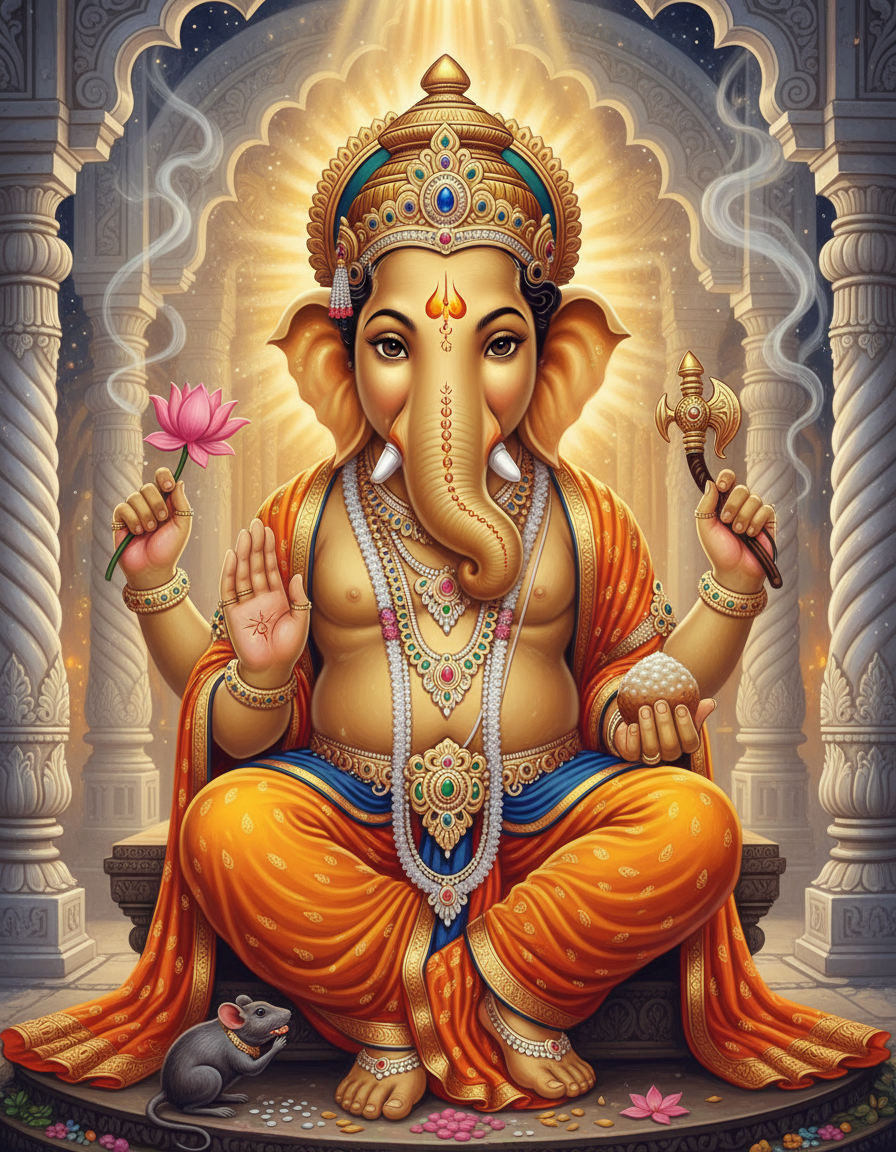
Specifically relevant to the current timeline (Magha Krishna Paksha), the Festival Significance of Sankashti Chaturthi cannot be overstated. Falling in the dark fortnight of the moon, this day is dedicated to Lord Ganesha, the remover of obstacles.
On February 6, 2026, the energies favor the worship of the *Dwijapriya* form of Ganesha. The term *Sankashti* implies "deliverance from difficult times."
**Shloka:**
*Vakratunda Mahakaya Surya Koti Samaprabha*
*Nirvighnam Kuru Me Deva Sarva-Karyeshu Sarvada*
Translation: "O Lord with the curved trunk and immense body, whose radiance equals a crore suns, please make all my endeavors free of obstacles, always."
The spiritual mechanism here involves the moon. In Vedic Astrology (Jyotish), the moon governs the mind (*Manas*). On the fourth day of the waning moon (Chaturthi), the mind is naturally prone to instability. By fasting and focusing on the stability of Lord Ganesha (who represents the Muladhara Chakra), the devotee overcomes the wavering nature of the mind. This is the hidden Festival Significance: conquering the internal mind to manifest external success.
The Role of Tithi and Nakshatra in Worship
Why do we celebrate on specific days? The answer lies in the concept of *Muhurta*. The Festival Significance is heavily reliant on the angle between the sun and the moon.
1. Amavasya (New Moon): Ideal for ancestral worship (*Pitru Tarpan*).
2. Purnima (Full Moon): High energy, ideal for Satyanarayan Puja.
3. Ekadashi: The 11th lunar day, critical for preserving bodily fluids and fasting for Lord Vishnu.
The Rishis understood that the gravitational pull of celestial bodies affects the water content in the human body and the flow of *Prana* (life force). Festivals are timed to neutralize negative planetary effects and amplify positive cosmic radiations. When you observe a festival, you are essentially performing bio-hacking through spiritual technology.
Rituals: The Bridge to the Divine
Understanding Festival Significance requires a deep dive into *Vidhi* (rituals). Rituals are not mere superstitions; they are symbolic languages that the subconscious mind understands.
- ☸ **Upavasa (Fasting):** Literally meaning "sitting near the Divine." It is not just starving; it is conserving energy usually spent on digestion to fuel meditation.
- ☸ **Deepa Daan (Offering Lamps):** Symbolizes the removal of ignorance. In the month of Magha, offering lamps to the Tulsi plant or near water bodies is highly auspicious.
- ☸ **Mantra Japa:** Sound vibrations that restructure the neural pathways. Reciting the *Ganesh Atharvashirsha* on Sankashti Chaturthi invokes the energy of stability.
The Vedas declare that rituals performed without understanding their significance yield limited results. However, when performed with *Bhav* (emotion) and *Jnana* (knowledge), they become vehicles for liberation.
Preparing for Maha Shivratri 2026
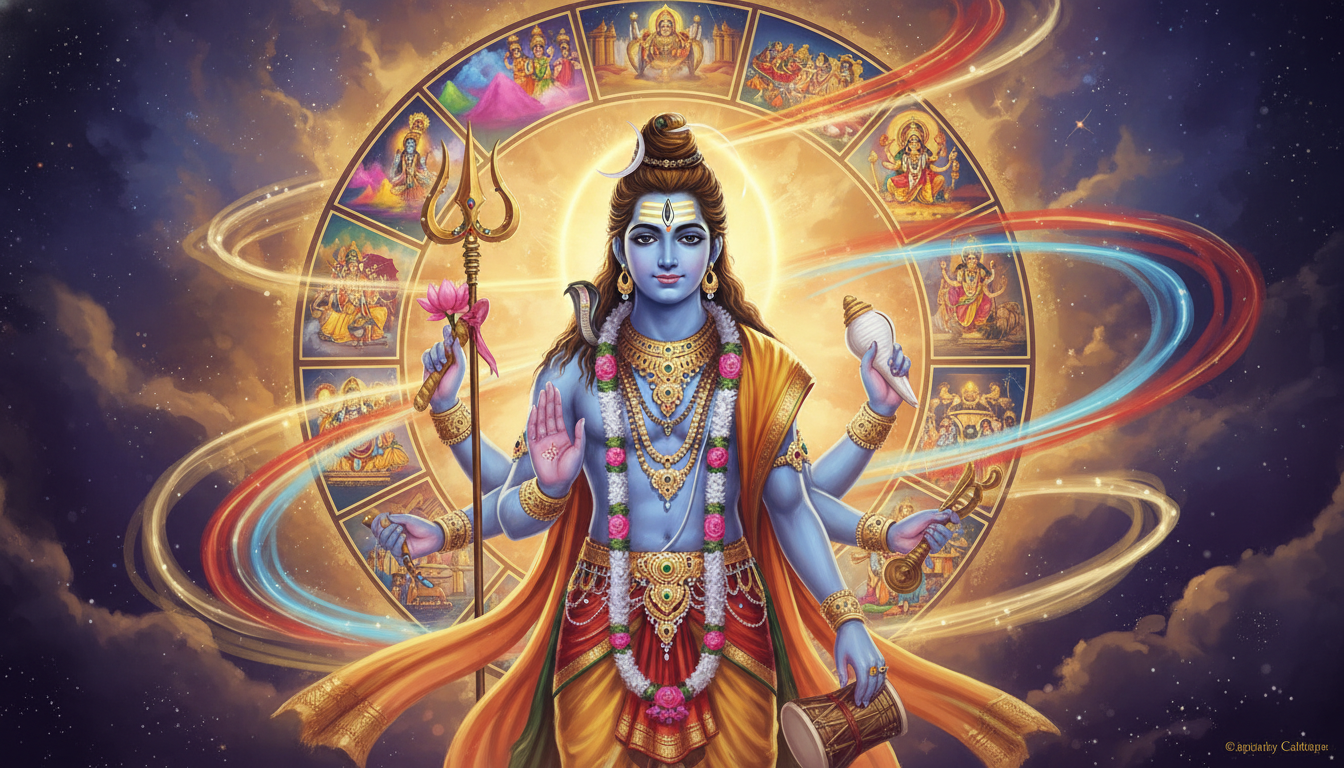
As we discuss the Festival Significance of early February 2026, we must look ahead to the Great Night of Shiva—Maha Shivratri, which approaches later in the month. The current period serves as a preparation phase.
In the yogic tradition, Maha Shivratri is the night where there is a natural upsurge of energy in the human system. The rituals performed now, during the Magha month, purify the *Nadis* (energy channels), preparing the body to withstand and utilize the intense energy of Shiva's night.
This interconnection between festivals highlights the continuity of Sanatan Dharma. No festival stands alone; they are a chain of events leading the soul from purification to realization. The worship of Ganesha during Sankashti removes the obstacles so that the devotee can approach Lord Shiva with a clear path.
The Sociology of Sanatan Festivals
While the spiritual aspect is paramount, the social Festival Significance is also vital for the preservation of Dharma. Festivals act as the glue that binds the community.
- ☸ **Transmission of Culture:** They are the primary method through which scriptural knowledge is passed to the younger generation.
- ☸ **Dana (Charity):** Every festival mandates charity. In Magha, donating sesame seeds (*Til*) and warm clothing is considered essential to neutralize bad *Karma*.
- ☸ **Ecological Harmony:** Many festivals worship nature—rivers, mountains, trees, and animals—reminding humanity of its duty to protect the environment.
Conclusion: Embracing the Divine Rhythm
In conclusion, Festival Significance is a multi-dimensional concept involving astronomy, spirituality, sociology, and psychology. As we observe the sanctity of the Magha month and the rituals of Sankashti Chaturthi on February 6, 2026, let us remember that these are not mere dates on a calendar.
They are cosmic appointments with the Divine. By aligning ourselves with these sacred timings, we invite grace, dissolve past Karma, and move closer to the ultimate goal of human life—Self-realization.
May your observances be filled with devotion, and may the significance of these holy days illuminate your path.
Frequently Asked Questions (FAQ)
Q: What is the main Festival Significance of Sankashti Chaturthi?
A: The primary significance is the removal of obstacles. By fasting and worshipping Lord Ganesha on the fourth waning lunar day, devotees reduce the malefic influence of the moon on the mind and invite stability and success.
Q: Why is the month of Magha considered so significant for festivals?
A: Magha is the month when the Sun enters Capricorn, signifying the dawn of divinity. Scriptures state that the waters of the Ganga turn into nectar (Amrit) during this month, making it the ideal time for purification and spiritual renewal.
Q: How does fasting enhance Festival Significance?
A: Fasting (Upavasa) detoxifies the body and shifts the metabolic energy toward spiritual contemplation. It heightens awareness, allowing the devotee to absorb the subtle cosmic energies present during the festival.
Q: Can I observe Festival Significance without performing elaborate rituals?
A: Yes. While rituals (Vidhi) are powerful, the most important component is *Bhav* (devotion). Simple chanting, meditation, and maintaining a pure heart are sufficient to attune oneself to the significance of the festival.
Q: What is the connection between Maha Shivratri and the current Magha month?
A: The austerities performed during Magha act as a preparation for Maha Shivratri. They purify the body and mind, enabling the devotee to fully experience the natural upsurge of energy that occurs on the night of Shiva.
Experience the Divine Nectar
Join our spiritual family for daily Darshan and Vedic wisdom on YouTube.
SUBSCRIBE ON YOUTUBEShared with devotion via Bhakti Amrit Sanatan Divine Editor
शान्ति: शान्ति: शान्ति: